

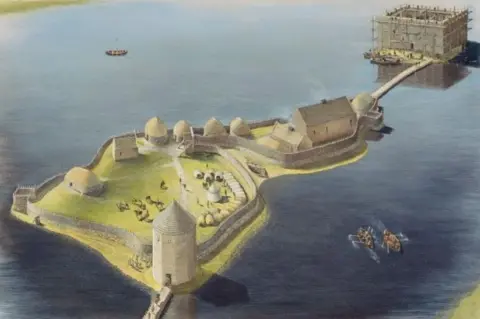
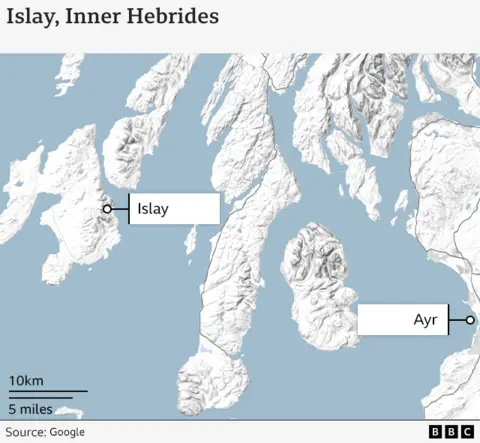
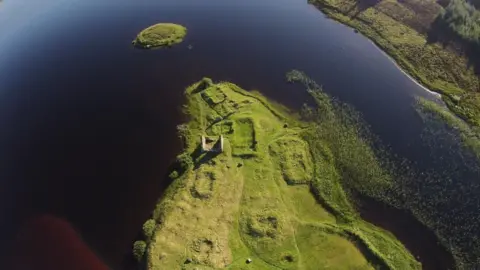
A previously overlooked stronghold unearched on a Hebridean island could have been home to kings who commanded large areas of western Scotland.
Historians propose the structure, established across two land masses within a body of water at the location, was owned by royalty some 700 years ago.
Subsequent rulers included leaders of the MacDonald clan who were later called the Masters of the Islands.
The clan leaders developed Finlaggan into a strategic headquarters from which they controlled the Western Isles, the Argyll region and parts of the northern Highlands.
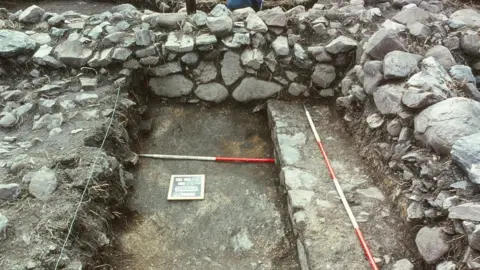
Experts have dedicated almost 30 years studying the site to gain a better knowledge of its place in the realm of the Island rulers, as well as the area’s prior uses.
Ruins of a castle were identified and placed in the 1100s and 1200s, prior to the lords rose to power.
The castle included a square-shaped keep like those built within fortified castles in Carlisle, Bamburgh and other medieval locations.
The keep contained residential areas, courtyards, cooking areas, a main hall where celebrations were held and a religious space with an accompanying burial ground.
Researchers noted that Norman-inspired kings in Britain and Ireland were known for erecting stone structures, and they suggested that Finlaggan's was constructed as a display of power and wealth.
The fortress may have been torn down because it was unstable or damaged during raids.
A palace was later established on the exact site for the clan chief.
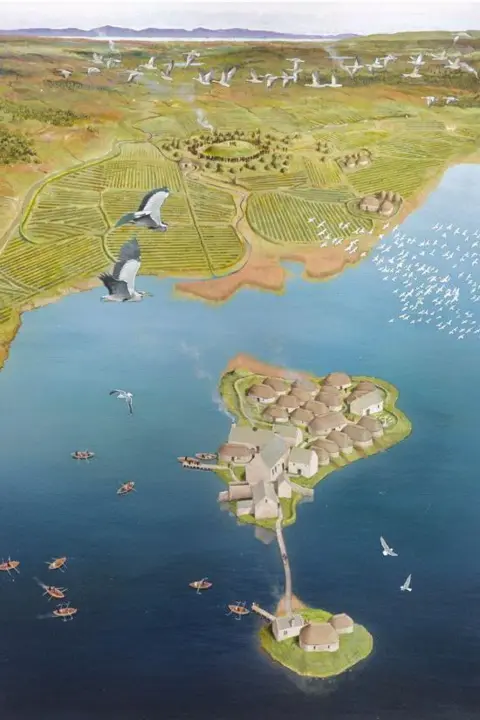
The Lords of the Isles acted as sovereigns and believed they were counterparts of other nobility.
They conducted raids in mainland Scotland and assaulted places such as a well-known fortress on the banks of a famous lake.
In a recent publication, archaeologists declared that the site was the chieftains' central headquarters.
The publication has been published by a archaeological organization.
A lead researcher guided a team of professionals and participants in discovering new insights about this location.
"The analysis of all the evidence that was gathered has been a significant aspect of my career since the 1990s, and I hope I have not only offered an narrative of importance but also a foundation for others to pursue more research in the future."
A senior figure remarked that the group's goal was to communicate information of the history as widely as possible.


